

THE BURNOUT-INFORMED WORKPLACE TRAINING
For HR and People Leaders who didn't see it coming.
They were one of your high-performers.
Reliable. Capable. The person who picked up the work when someone else dropped it. The one who stayed late, logged on early, said yes when others said no.
You noticed they were working longer hours. You noticed they were taking on more. But you didn't see burnout.
One day they were fine.
The next, you're being told they'll be off for weeks.
Weeks turn into months.
And you're sitting in the return-to-work meeting wondering how you missed it.
You've run the wellbeing initiatives. You've offered resilience training. You've reminded people to take breaks, set boundaries, prioritise self-care.
But deep down, you know this isn't about resilience.
You need more.
This is the more you've been searching for.

Burnout doesn't look like burnout until it's too late.
The high-performer who vanished wasn't struggling. They were delivering. Right up until they weren't.
And now sickness absence is rising. Performance conversations aren't landing. Return-to-work meetings feel performative because neither of you believe the person is actually ready to be back.
You're told it's stress. You're told people need to be more resilient. You're told another wellbeing initiative will help.
But the initiatives aren't working. The resilience training isn't working. And the high-performers keep disappearing.
Because burnout isn't stress.
And it's not solved by time management, boundary-setting, or asking people to prioritise self-care.
Burnout is what happens when toxicity exceeds sense of self.
And when the people leading your teams are on the brink of burnout themselves, they can't see it in others. They can't hold the conversations that need holding. They can't lead.
Over 70% of leaders are on the brink of burnout right now.
Leaders at burnout can't lead people.
Workplaces are no longer safe unless they're burnout-informed.
Burnout is in your workplace whether you see it or not.
The high-performer who's suddenly underperforming. The team member who's "fine" one week and signed off the next. The leader who's still delivering but running on fumes.
That's burnout.
And if your HR team, your People Leaders, your line managers can't recognise it, if they don't understand what it's doing to capacity, sense of self, and the nervous system, they're managing blind.
They're having performance conversations with people who've lost the ability to perform.
They're setting goals for people who've lost their sense of self.
They're asking for resilience from people who've been resilient for too long.
This is the new minimum standard for workplaces.
Not a nice-to-have for organisations interested in wellbeing. The baseline. The foundation every workplace needs because burnout doesn't stay in one department. It's everywhere. Leadership teams, high-performers, the people holding everything together.
You don't get to decide whether it's relevant to your organisation.
It's already there.
The only question is whether you can see it.
Here's what continuing without being burnout-informed is costing your organisation.
A high-performer tells you they're fine. You believe them because they're still delivering. Three months later they're signed off and you're replaying the conversations wondering what you missed.
Someone returns from burnout-related sickness absence. You run the return-to-work meeting. You agree a phased return. Within weeks, they're off again. You realise the plan you agreed wasn't built for what burnout actually does to someone's capacity to return.
A manager has a performance conversation with a team member who's struggling. The conversation is professional, supportive, follows the process. It doesn't land. The team member leaves thinking no one understands what's really happening.
You invest in another wellbeing initiative. Resilience training. Mindfulness sessions. Mental health first aiders. Engagement stays flat. Sickness absence keeps rising. You're spending money on interventions that aren't addressing the actual problem.
A leader who's been holding everything together finally admits they're burnt out. You realise too late they've been managing from depletion for months, and the decisions they've been making, the conversations they've been having, the team culture they've been creating, have all been shaped by someone operating in survival mode.
You keep managing the way you've always managed, and the people you can't afford to lose keep leaving.
This is what happens after the training.
A team member tells you they're fine. But this time, you don't just hear the words. You hear what's underneath them. You don't push for delivery. You hold a different conversation.
Someone returns from burnout-related sickness absence. You don't just agree a phased return. You understand what burnout has done to their capacity, their sense of self, their nervous system. You build a return plan that actually supports recovery, not one that sets them up to burn out again.
A manager comes to you concerned about a high-performer who's suddenly struggling. You don't frame it as a performance issue. You recognise what's happening. You give the manager the language to hold the conversation in a way that doesn't overstep, doesn't blame, and helps the person see what they couldn't on their own.
You're in a leadership meeting. Someone proposes another resilience initiative. You know why resilience training won't solve this. You have the language to name what's actually needed. The conversation shifts.
You know when to stretch and when to support.
You know when a performance issue is a performance issue and when it's burnout.
You know when a phased return will work and when it will fail.
You know when to intervene and when to refer.
You stop managing the symptoms. You start addressing the cause.
The Burnout-Informed Workplace training is the new minimum standard for HR and People Leaders.
It makes your organisation burnout-informed, not burnout-resistant. That distinction matters.
Burnout-resistant takes time. It requires systemic change. Culture shifts. Leadership development. Policy redesign.
But before you can build a burnout-resistant workplace, you need a burnout-informed one.
You need HR teams and People Leaders who can recognise burnout, understand what it's doing to the people they're managing, and adjust their approach so they're not managing blind.
This training teaches you the neuroscience of burnout, how it shows up across the whole person (cognitive, somatic, neurological), and the first steps to solving the Burnout Equation:
Toxicity − Sense of Self = Burnout
It changes how your People Leaders hold every conversation, burnout or not, because it teaches them to see capacity, sense of self, and nervous system state before they reach for a performance framework.
This isn't a wellbeing initiative. This is the foundation your workplace should have had all along.

Over two days, you'll learn:
How to recognise burnout even when the person looks high-performing
Why some capable people stall, and what that means for how you manage them
How to hold conversations with someone at burnout without pushing them into shutdown
When traditional performance management will do more harm than good
How to support someone returning from burnout-related sickness absence in a way that actually supports recovery
The tools and techniques that work pre-burnout and post-burnout
The language of burnout, how your people are talking about it without even knowing what it is, and how to adjust your approach in real time
The first steps toward solving the Burnout Equation for a burnout-resistant workplace
This isn't theory you'll figure out how to apply later.
This is designed for real workplaces, with real people, in a way you can use instantly.
By dinner on day one, you'll be explaining burnout clearly. Without buzzwords. Without hesitation. It clicks.
Day two is where your leadership changes.

WHO THIS IS FOR.
This is for every HR and People Leader.
You don't need to want to specialise in burnout. You need to be able to recognise it, understand what it's doing to your people's capacity to perform, and adjust your approach so you're not managing blind.
If you're leading people in high-demand environments, corporate settings, leadership teams, high-performance cultures, burnout is already in your workplace.
The only question is whether you can see it.
This is also for line managers who need to understand what's showing up in their teams, and how to hold those conversations safely.
This is not for:
Organisations looking for a quick-fix wellbeing initiative
People collecting certificates without changing how they manage
Surface-level resilience training add-ons
Select Your Dates And Book Your Place.
What's included:
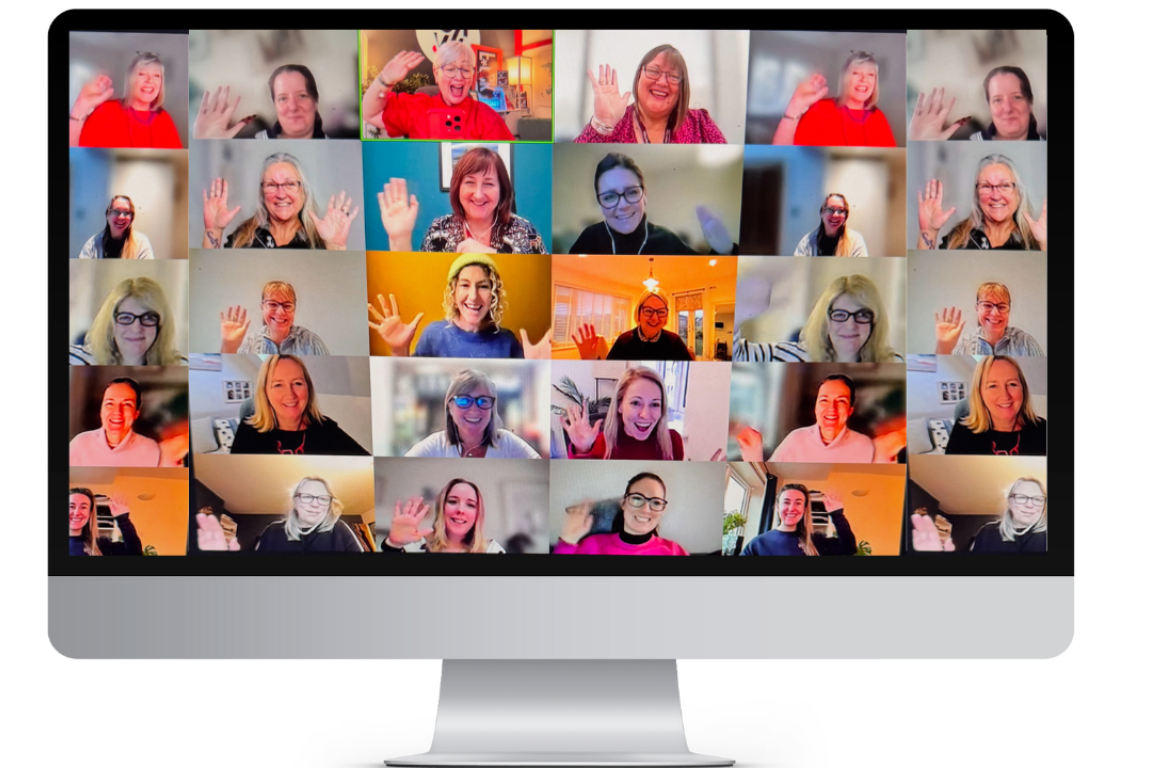
Two-day live intensive, 10am to 5pm UK, via Zoom (open cohort) or in-house bespoke training for your organisation
Burnout-Informed accreditation (you have three months to complete the accreditation after the training, with personal feedback from Kelly)
Three months FREE access to the Burnout Coach Collective for additional learning, answers and feedback
Once accredited, a FREE listing on the website as Burnout-Informed for 12 months from the date of the training
Select Your Dates and Book Your Place
Or contact Kelly to arrange in-house bespoke training for your organisation.
This is what I wish workplaces had known before burnout nearly killed me.
Twice.
I reached board-level HR Director by 30. On paper I had it all. The success, the status, the salary. But I hadn't realised just how much the toxic work environments were stealing my brightness, my health, and my happiness.
Then burnout nearly killed me. Twice.
The first time, I was in chronic pain for seven months. I kept passing out. First on a train. Then from the top of the escalator at Liverpool Street station. I landed at the bottom, tights ripped, got back on the tube and went to my meeting. I didn't take one day off. Seven months later, I had two surgeries in 48 hours. The consultants told me it was burnout harming my body from the inside out. I didn't believe them.
The second time, I couldn't leave the sofa for six months. I was still working. I almost didn't survive Christmas.
Nobody saw it coming. Not my manager. Not HR. Not the wellbeing team. Not me.
Because burnout doesn't look like burnout until it's too late.
I spent twelve years and hundreds of thousands of pounds joining the dots because what I saw didn't reflect my own experience, nor that of the leaders I was coaching.
I've coached over 700 leaders through burnout. I've trained 150+ coaches across 15 countries. I'm completing a PhD on the long-term cognitive impact of burnout.
And I've built the training that gives workplaces the literacy they need to recognise burnout before it's too late.
This is the foundation. The absolute baseline for HR and People Leaders who are managing people in the world as it is right now, not as it was when your HR training was designed.
This is the new standard.
Two days. Live. Intensive. Burnout-Informed.
The culmination of twelve years of study, work, research, and 700 leaders coached through burnout.
This is leadership and people management redesigned for the reality your people are living in.